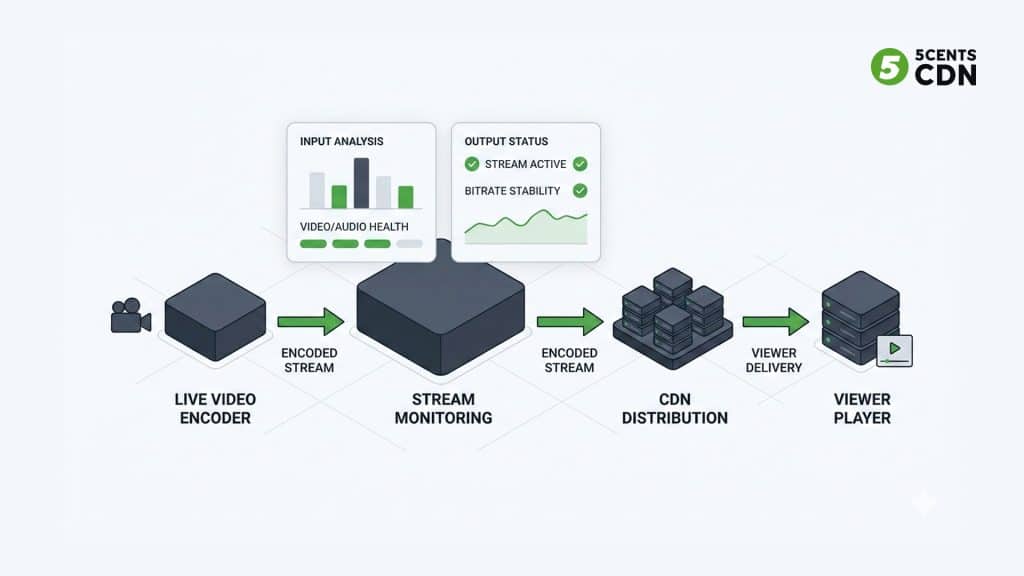
Live streaming environments are complex and unpredictable. A stream that appears stable at the encoder may still suffer from bitrate instability, resolution changes, or unexpected downtime before it reaches viewers.
For broadcasters, OTT platforms, and live event producers, even a few seconds of interruption can mean lost viewers, lost revenue, and reputational damage.
This is why stream monitoring has become a critical component of modern live streaming infrastructure.
In this guide, we’ll explain what stream monitoring is, why it matters, and how real-time monitoring helps maintain reliable and high-quality live streams.
What Is Stream Monitoring?
Stream monitoring refers to the process of continuously tracking the health and performance of a live video stream to detect issues such as downtime, bitrate fluctuations, resolution drops, or other anomalies.
Instead of waiting for viewers to report problems, monitoring systems automatically track key stream metrics and alert operators when something goes wrong.
Typical metrics monitored include:
- Stream availability (online/offline)
- Bitrate consistency
- Video resolution
- Stream latency
- Encoding performance
- Output stability
These insights allow streaming teams to respond quickly and maintain a stable viewing experience.
Why Stream Monitoring Matters for Live Streaming
Live streaming does not fail gradually. When something goes wrong, it happens immediately and publicly.
Common issues that affect live streams include:
- Encoder crashes
- Network instability
- Bitrate drops
- Resolution shifts
- CDN delivery interruptions
- Playback failures
Without monitoring, these issues often go unnoticed until viewers start reporting problems.
Monitoring ensures teams receive immediate visibility into stream performance so they can respond before the issue escalates.
Key Metrics Every Streaming Team Should Monitor
Effective stream monitoring focuses on metrics that directly affect viewer experience.
Stream Availability
The most critical metric is simple: Is the stream live or offline?
Unexpected downtime can occur due to encoder failures, network interruptions, or ingestion errors.
Real-time alerts ensure teams know immediately when a stream stops.
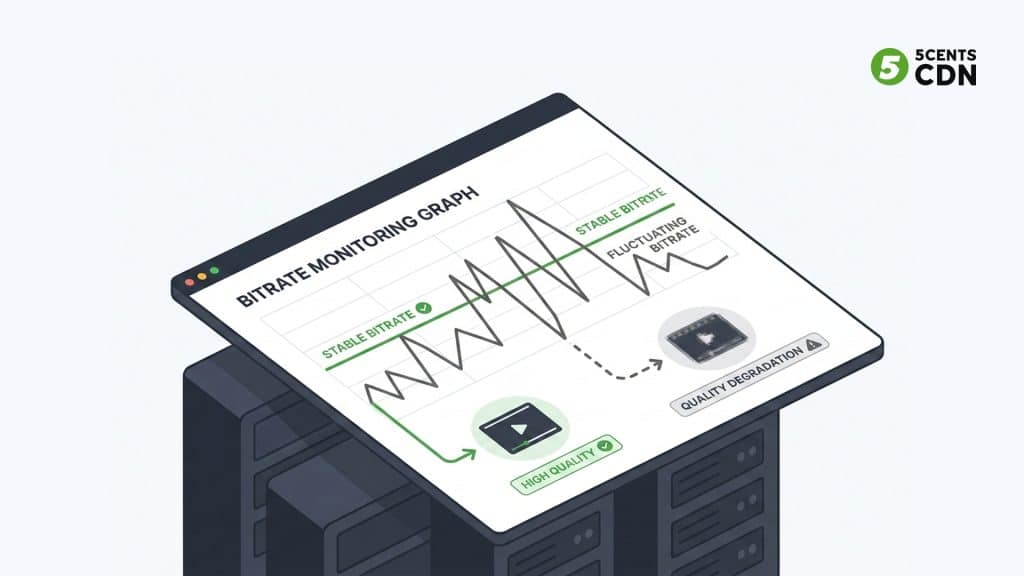
Bitrate Stability
Bitrate fluctuations can lead to buffering or degraded quality.
Monitoring bitrate trends allows teams to detect network congestion or encoding issues early.
Resolution Monitoring
Sometimes streams remain online but drop resolution due to encoding problems or bandwidth limitations.
Monitoring resolution changes helps maintain consistent quality standards.
Downtime Alerts: Detect Problems Before Viewers Do
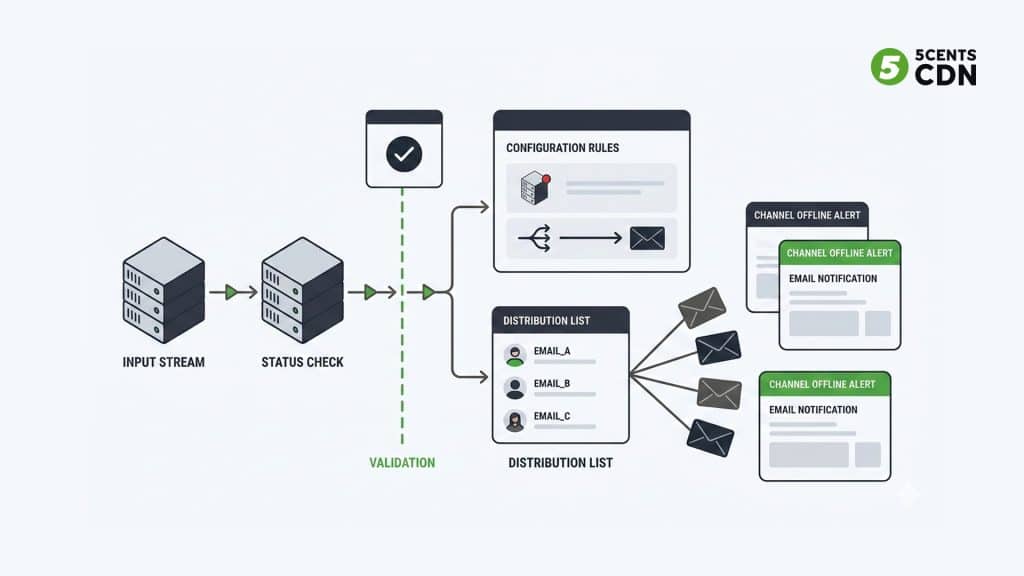
One of the most important capabilities of modern stream monitoring systems is instant alerting.
Instead of manually checking streams, monitoring tools automatically notify operators when issues occur.
Typical alert mechanisms include:
- Email alerts
- Dashboard notifications
- Monitoring logs
Instant alerts help teams:
- Identify downtime immediately
- Reduce troubleshooting time
- Restore streams faster
- Protect viewer experience
When dealing with live events, every second matters.
Centralized Stream Monitoring Dashboards
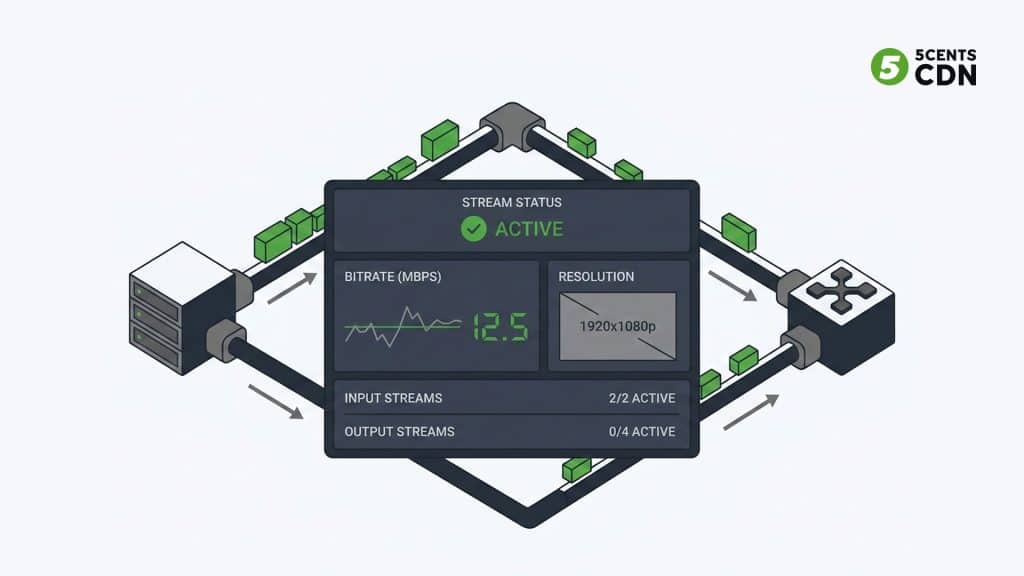
Modern monitoring tools also provide centralized dashboards where operators can view all active streams in one place.
A monitoring dashboard typically displays:
- Active stream status
- Bitrate and resolution metrics
- Stream uptime
- Performance trends
- Historical monitoring data
Centralized visibility helps streaming teams manage multiple channels simultaneously without relying on manual checks.
Challenges Without Proper Stream Monitoring
Operating live streams without monitoring introduces several risks:
- Delayed detection of stream failures
- Poor viewer experience during outages
- Difficulty diagnosing infrastructure problems
- Increased operational stress during live events
Monitoring transforms live streaming operations from reactive troubleshooting to proactive management.
How 5centsCDN Stream Monitoring Works
To support reliable streaming infrastructure, 5centsCDN provides a built-in Stream Monitoring system designed for professional live streaming environments.
The system allows teams to:
- Receive instant email alerts when a stream goes offline
- Monitor bitrate and resolution changes
- Track stream health from a centralized dashboard
- Identify performance issues quickly
- Maintain consistent stream quality
This allows streaming teams to detect problems early and maintain operational control during live events.
Who Needs Stream Monitoring?
Stream monitoring is essential for organizations running live video infrastructure, including:
- Broadcasters
- OTT platforms
- FAST channel operators
- Live event producers
- Sports streaming platforms
- Enterprise internal streaming systems
If live video delivery impacts your audience or revenue, monitoring should be part of your streaming workflow.
Final Thoughts
Live streaming has become a critical communication and entertainment medium, but it also comes with operational challenges.
Without proper monitoring, even small technical issues can quickly impact viewer experience.
By tracking stream health metrics, detecting downtime instantly, and maintaining visibility into performance data, stream monitoring ensures live streams remain stable, reliable, and professional.
As streaming infrastructure continues to grow in scale and complexity, proactive monitoring will remain a key part of maintaining high-quality live delivery.